Grand Scale Trains
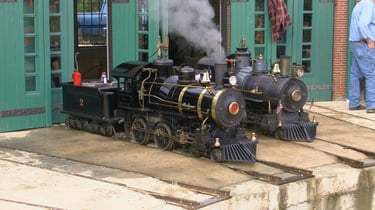
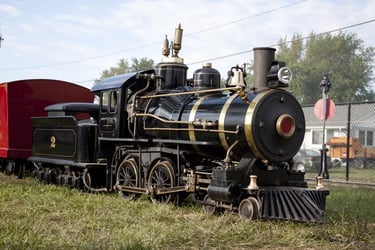
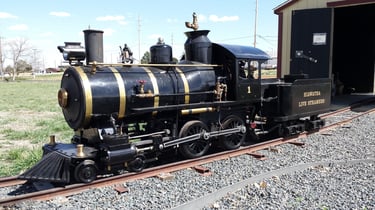
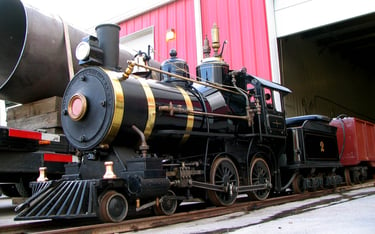
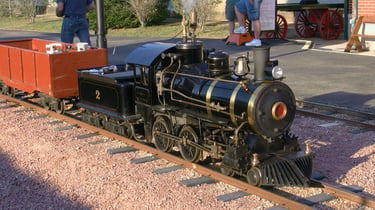
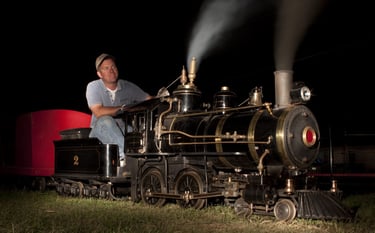
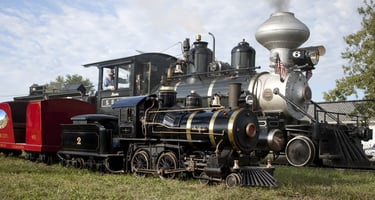
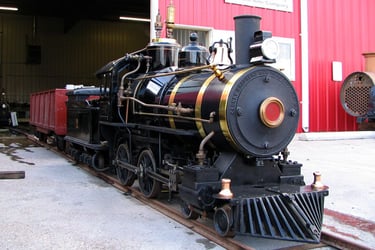
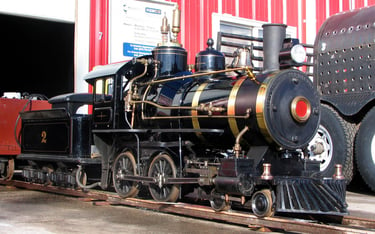
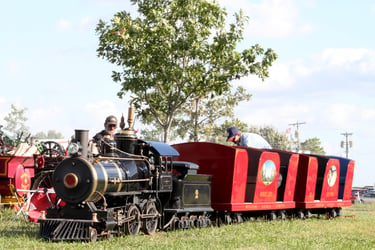
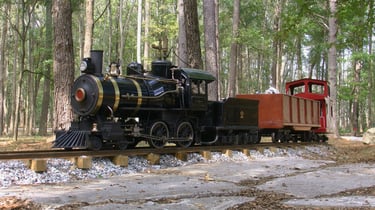
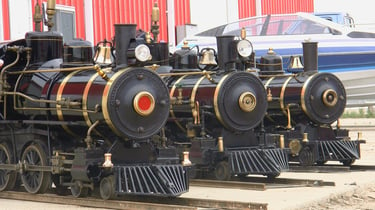
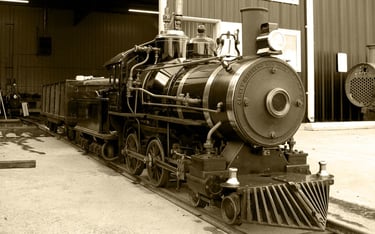
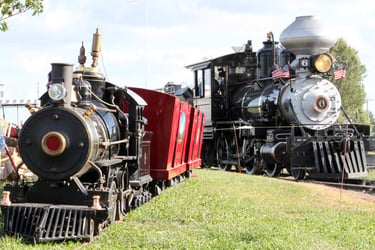
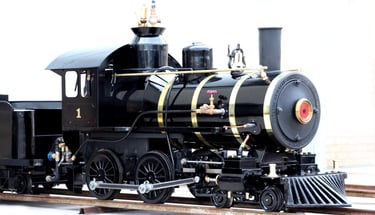
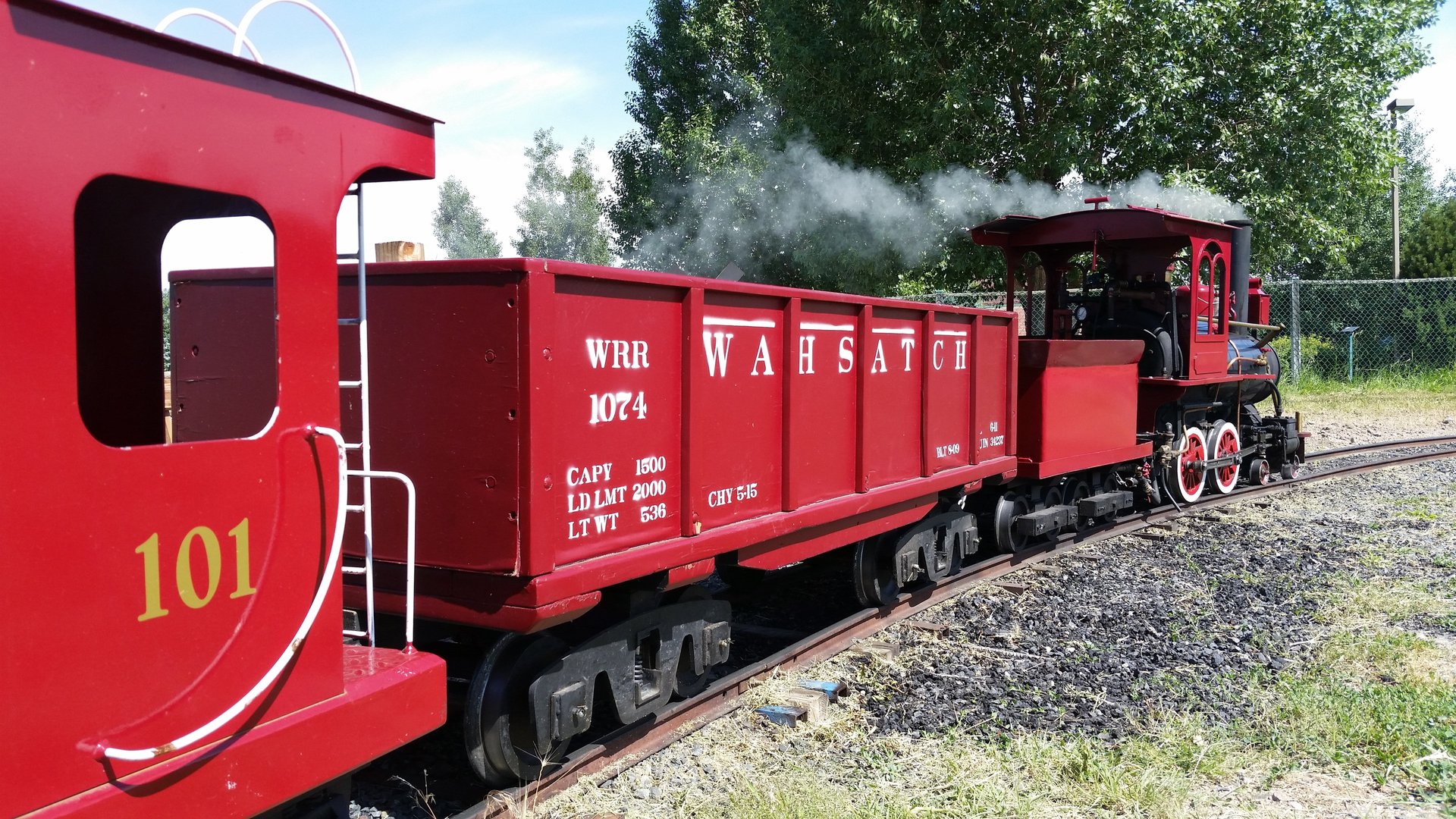
Some of the most important lessons in my life didn’t come in a boardroom or a classroom. They came in a backyard in Murray, Utah, standing next to a small, worn-out 1904 Cagney steam locomotive that most people would have walked past.
I was fourteen years old when I told my grandfather—who we all called Bang—that I wanted to restore it. He didn’t tell me I could do it. He didn’t tell me I couldn’t. He simply gave me the opportunity to try.
That was all I needed.
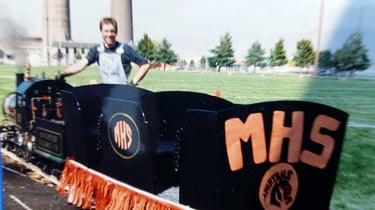
We brought that locomotive home, and I went to work. What started as a teenage idea quickly became something much bigger. At school, my shop teacher, Bill Morris—known to all of us as Morry—took me under his wing. He didn’t just teach me how to weld or fabricate—he taught me how to believe that something broken could be rebuilt, and that a young kid with determination could accomplish more than he thought possible. Under his guidance, I not only restored that locomotive, but also went on to become a two-time state welding champion through what is now known as SkillsUSA.
But the real lesson wasn’t about winning or even about the locomotive.
It was about people.
A grandfather who gave me a chance.
A teacher who chose to invest his time and care.
And a family—both of my grandfathers, Bang and Heinz Rimmasch, along with my parents—who showed me, in quiet and steady ways, what it means to be committed, capable, and dependable.
That little Cagney locomotive became more than a project. It became a foundation. It taught me that vision matters. That persistence matters. That building something meaningful takes time, patience, and a willingness to keep going when things don’t come easy.
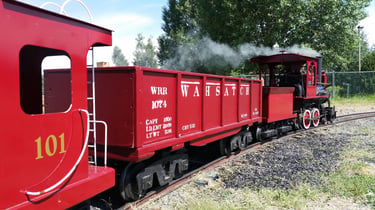
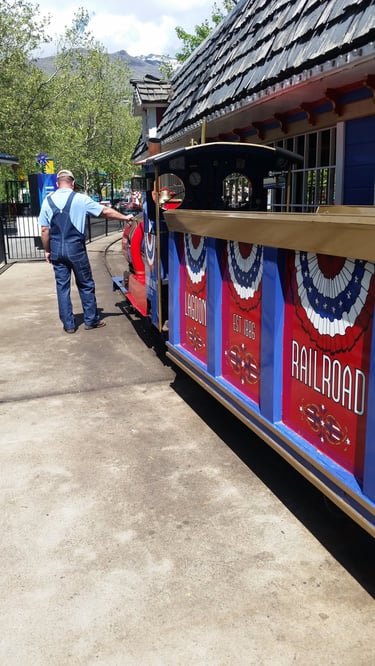
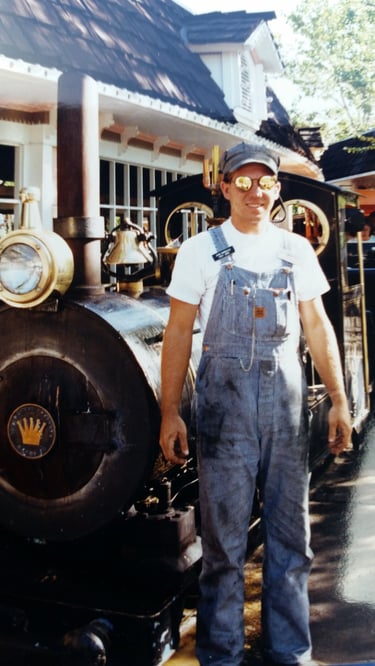
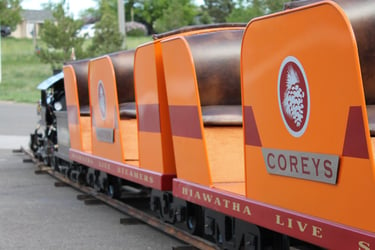
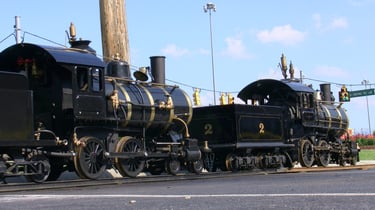
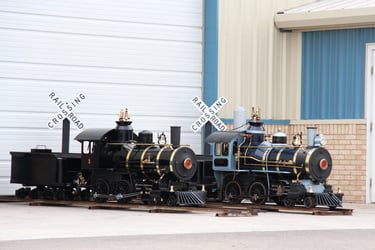
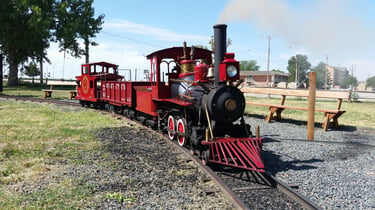
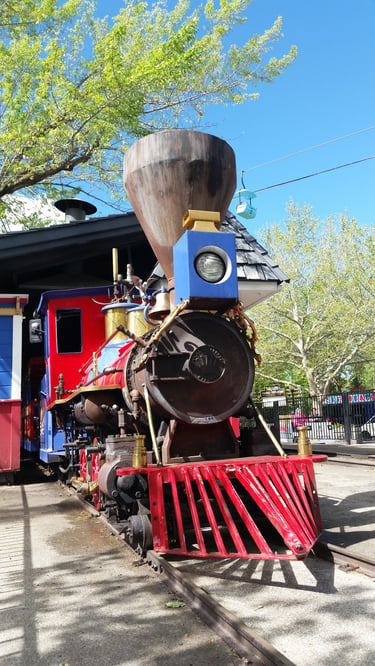
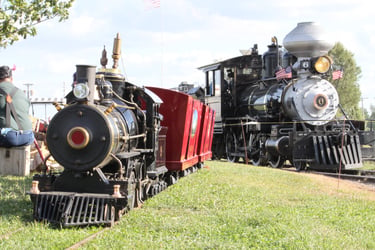
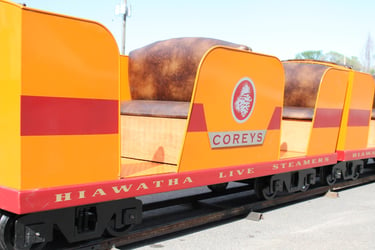
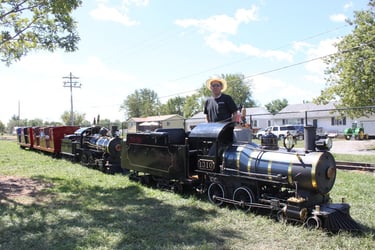
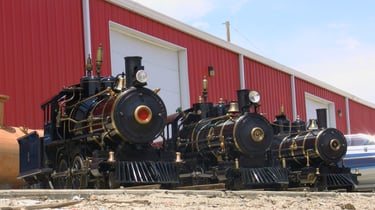
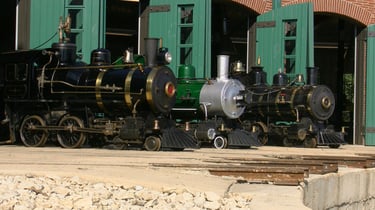
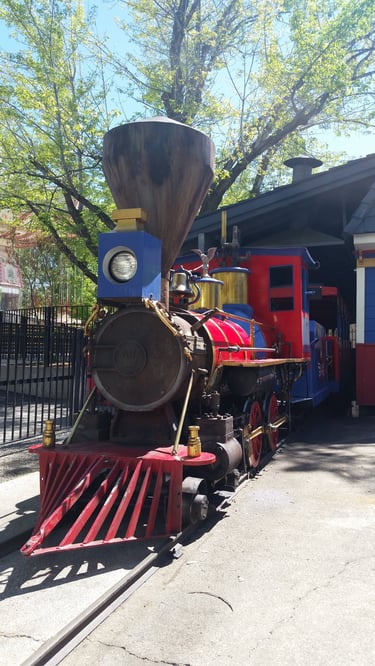
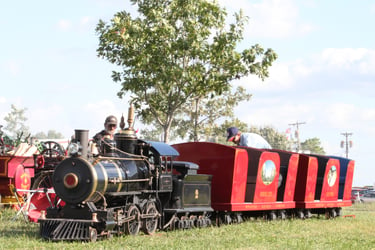
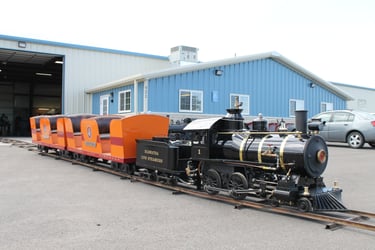
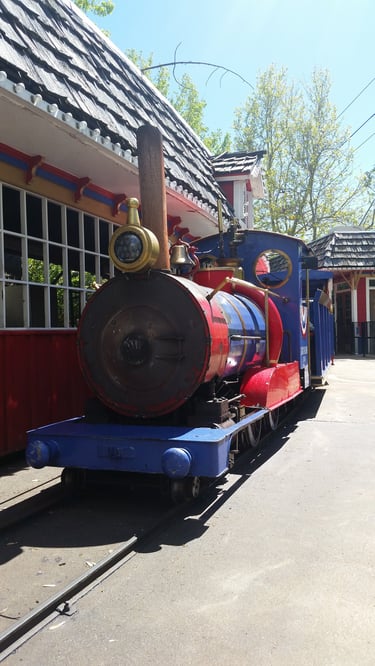
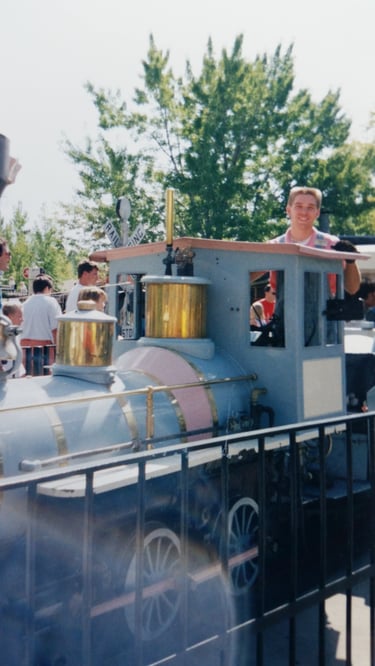
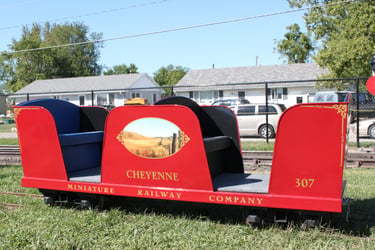
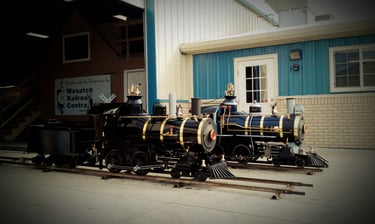
Grand scale railroading has remained a constant thread ever since. From my work at Lagoon to the locomotives I helped build, restore, and maintain with Wasatch Railroad Contractors, each engine represents more than machinery. They represent relationships, shared effort, and a common passion for miniature railroading.
These projects are tied to people—mentors, coworkers, friends, and family—who shaped the journey along the way.
This section is dedicated to those locomotives, those projects, and, most importantly, the people behind them.
Because in the end, the lesson has always been the same:
Failure is not an option.